Do you find yourself constantly reaching for snacks throughout the day? Snacking can be a challenge, whether it’s due to emotional eating, stress, boredom, or simply a lack of awareness. However, with the right strategies and mindset, you can regain control over your snacking habits and make healthier choices. In this comprehensive guide, we will explore effective ways to stop snacking and manage your cravings. By following these tips, you can maintain a balanced diet, support your overall health, and achieve your weight management goals.
Understanding the Reasons for Excessive Snacking
Before diving into the strategies, it’s important to understand the underlying reasons for excessive snacking. By addressing these root causes, you can effectively change your snacking habits. Here are some common factors that contribute to snacking:
1. Emotional Eating
Emotional eating is a common response to stress, anxiety, boredom, or other emotions. Many people turn to food for comfort, seeking solace in snacks. It’s important to recognize emotional triggers and find alternative ways to cope with emotions.
2. Lack of Balanced Meals
Skipping meals or not consuming balanced meals can lead to increased snacking. When your body is not adequately nourished, it craves quick sources of energy, such as sugary or high-carbohydrate snacks. Ensuring that your meals contain a balance of protein, carbohydrates, and healthy fats can help reduce the urge to snack.
3. Inadequate Nutrition
Snacking can be a result of inadequate nutrition, especially when essential nutrients are lacking in your diet. If your body is not receiving the necessary vitamins, minerals, and macronutrients, it may signal hunger and cravings to compensate for the deficiency.
4. Mindless Eating
Mindless eating occurs when we consume food without paying attention to the quantity or quality of what we are eating. Snacking while distracted, such as watching TV or working on the computer, can lead to overeating and a lack of satisfaction.
5. Unmet Emotional Needs
Food can be used as a coping mechanism to fulfill emotional needs. If you find yourself repeatedly snacking to fill a void or numb negative emotions, it’s important to explore healthier ways to address those emotional needs.
Strategies to Stop Snacking
1. Establish a Routine
Creating a consistent routine for meals and snacks is crucial in reducing mindless snacking. Plan your meals and snacks ahead of time and stick to a regular eating schedule. This will help regulate your hunger levels and prevent impulsive snacking.
2. Opt for Balanced Meals
Ensure that your meals are balanced with a combination of protein, carbohydrates, and healthy fats. This will provide sustained energy and help you feel satisfied after meals, reducing the urge to snack. Include plenty of fruits, vegetables, whole grains, lean proteins, and sources of healthy fats in your meals.
3. Monitor Portion Sizes
Be mindful of portion sizes and avoid eating straight from packages. Use measuring tools, such as cups or a food scale, to portion out snacks and meals. This will help you control your calorie intake and prevent mindless overeating.
4. Plan and Prepare Meals in Advance
Take the time to plan and prepare your meals in advance. This will not only save you time but also prevent impulsive snacking. Having healthy meals readily available can reduce the temptation to reach for unhealthy snacks.
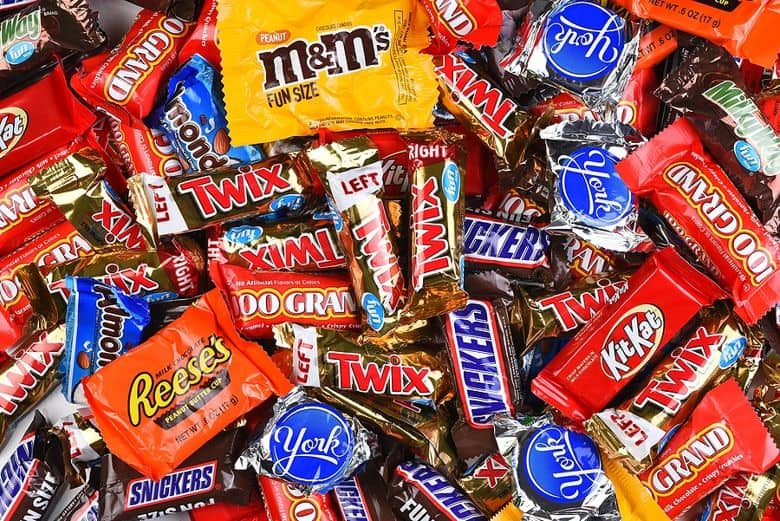
5. Stock Up on Healthy Snacks
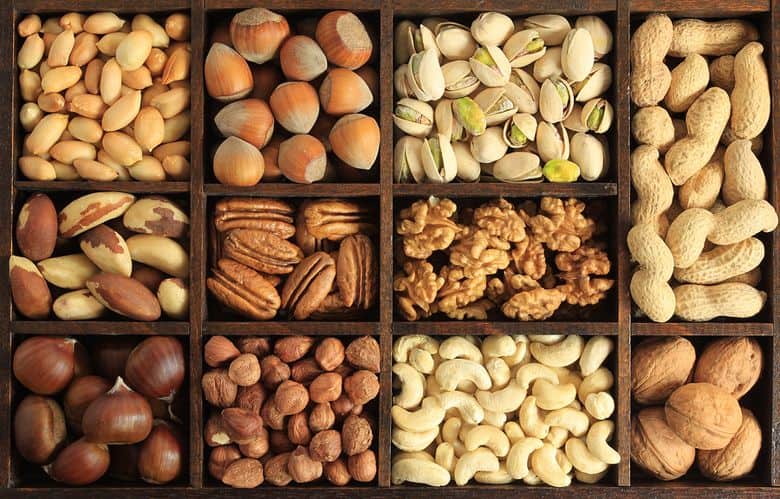
Instead of keeping unhealthy snacks in your pantry, opt for a variety of nutritious options. Stock up on fruits, vegetables, nuts, seeds, yogurt, and other healthy snacks. Having these readily available will make it easier to make healthier choices when cravings strike.
6. Stay Hydrated
Often, thirst can masquerade as hunger, leading to unnecessary snacking. Stay hydrated by drinking plenty of water throughout the day. Aim for at least six to eight cups of water daily. If you feel hungry, try drinking a glass of water first to determine if you are truly hungry or just thirsty.
7. Practice Mindful Eating
Practice mindful eating by being fully present during meals and snacks. Pay attention to the flavors, textures, and satisfaction you derive from your food. Avoid distractions, such as electronic devices, and take the time to savor each bite. This will help you feel more satisfied and reduce the urge to snack mindlessly.
8. Identify and Address Emotional Triggers
Recognize and address emotional triggers that lead to snacking. Find alternative ways to cope with stress, boredom, or other emotions that don’t involve food. Engage in activities you enjoy, such as exercise, journaling, or spending time with loved ones, to distract yourself from emotional eating.
9. Get Adequate Sleep
A lack of sleep can disrupt your hunger hormones, leading to increased cravings and snacking. Aim for seven to nine hours of quality sleep each night. Establish a bedtime routine and create a sleep-friendly environment to ensure restful sleep.
10. Seek Support
If you are struggling to control your snacking habits, consider reaching out for support. Consult with a registered dietitian or a healthcare professional who specializes in nutrition. They can provide personalized guidance and strategies to help you overcome challenges and achieve your goals.
Conclusion
Snacking can be a challenging habit to break, but with the right strategies and mindset, it is possible to regain control over your cravings. By understanding the underlying reasons for excessive snacking and implementing the strategies discussed in this article, you can make healthier choices, maintain a balanced diet, and support your overall well-being. Remember, small changes over time can lead to significant improvements in your snacking habits and overall health.