
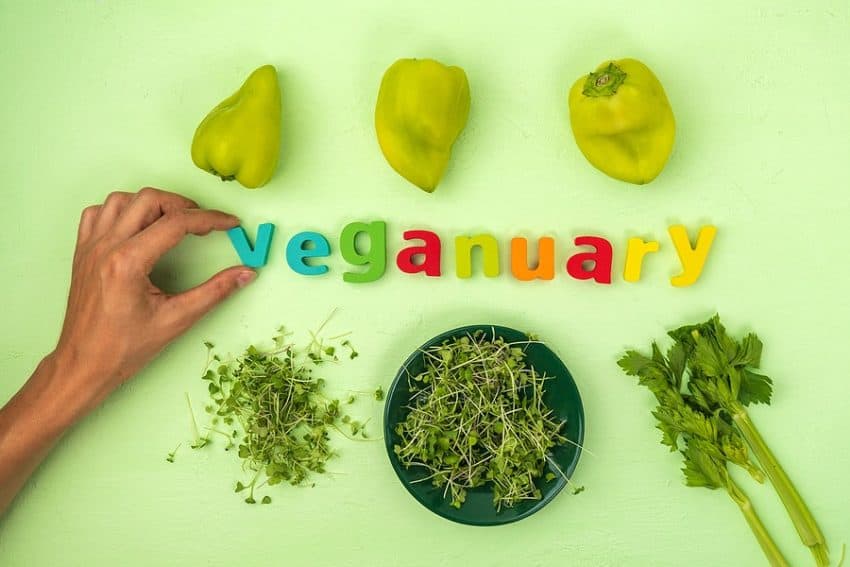
Are you ready to embark on a month-long challenge that can have a positive impact on your health, the environment, and animal welfare? Veganuary, a movement that encourages people to try a vegan lifestyle for the month of January, is gaining popularity worldwide. But where do you begin? In this comprehensive guide, we will provide you with practical tips and insights on how to do Veganuary right, ensuring a successful transition to a plant-based diet. From understanding the motivations behind veganism to stocking your pantry with essential items, we’ve got you covered.
Why Choose Veganism?
The decision to go vegan is often driven by a combination of ethical, environmental, and health concerns. People choose veganism to reduce animal suffering, minimize their carbon footprint, and improve their overall well-being. Animal agriculture is a significant contributor to greenhouse gas emissions and deforestation, making the choice to avoid animal products a powerful way to combat climate change. Additionally, numerous studies have shown that a plant-based diet can lower the risk of chronic diseases such as heart disease, type 2 diabetes, and certain types of cancer.
Understanding Veganuary
Veganuary, an initiative started by the U.K.-based charity Veganuary, encourages individuals to try a vegan lifestyle for the month of January. It provides resources, support, and inspiration to help participants navigate the challenges of going vegan. While some individuals may choose to adopt a fully vegan lifestyle during Veganuary, others may use it as an opportunity to explore plant-based eating and gradually incorporate more vegan meals into their routine. The key is to find an approach that works for you and aligns with your goals and values.
Planning Ahead for Success
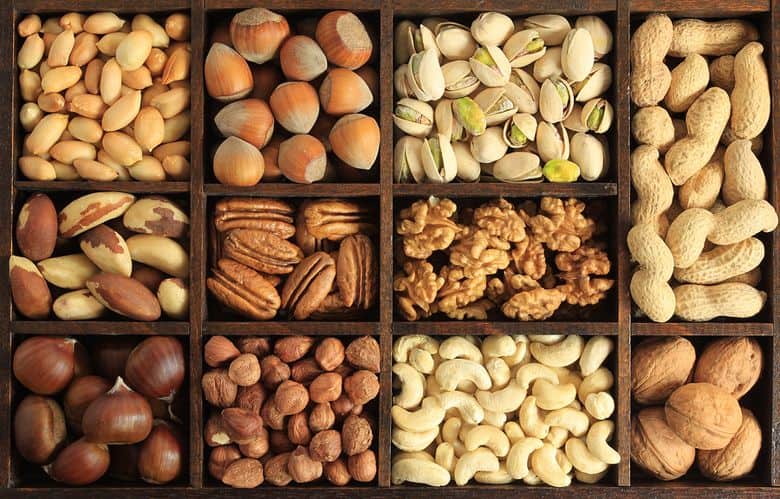
Like any lifestyle change, preparation is key to a successful Veganuary. Start by creating a meal plan for your first day and the subsequent weeks. Consider incorporating familiar foods and veganizing your favorite dishes to make the transition more enjoyable. Stock your pantry with vegan essentials such as non-dairy milk, plant-based butter, legumes, whole grains, nuts, and seeds. Having these items on hand will make it easier to prepare delicious and nutritious meals throughout the month.
Discovering Vegan Foods
You may be surprised to learn that many everyday foods are already vegan-friendly. Pasta, rice, peanut butter, fruits, vegetables, and a variety of grains are all plant-based staples. By exploring your current pantry and making small adjustments, you’ll likely find that you’ve already been consuming vegan foods without even realizing it. However, it’s important to read labels and be aware of hidden animal-derived ingredients in processed foods. Educate yourself on common additives like gelatin, bone char, and lard to ensure you make informed choices.
Veganizing Your Favorite Meals
One of the most exciting aspects of Veganuary is the opportunity to veganize your favorite dishes. With the growing availability of plant-based alternatives, you can recreate the flavors and textures of meat, dairy, and eggs in your favorite recipes. Whether it’s a vegan burger, dairy-free cheese, or plant-based milk, there are numerous options to choose from. Experiment with different ingredients and recipes to find alternatives that suit your taste buds and satisfy your cravings.
Navigating Social Situations
Eating out and socializing can sometimes be challenging for vegans, but with some planning and communication, it can be a positive experience. Before dining at a restaurant, check the menu online and see if there are vegan options available. Many establishments now cater to plant-based diets and offer delicious vegan dishes. If you’re attending a social gathering, consider bringing a vegan dish to share with others. This not only ensures that you have something to eat but also introduces others to the deliciousness of plant-based cuisine.
Dealing with Challenges and Mistakes
Transitioning to a vegan lifestyle may come with its fair share of challenges. It’s important to remember that it’s a journey, and it’s okay to make mistakes along the way. If you accidentally consume something non-vegan or give in to temptation, don’t beat yourself up. Learn from the experience and use it as an opportunity to grow and improve. Seek support from vegan communities, both online and offline, who can provide guidance, understanding, and encouragement.
Nutritional Considerations
Many people wonder if a vegan diet can provide all the necessary nutrients. With proper planning and knowledge, a well-rounded vegan diet can meet all your nutritional needs. Pay attention to key nutrients such as protein, calcium, vitamin B12, vitamin D, and omega-3 fatty acids. Plant-based sources of protein include legumes, tofu, tempeh, nuts, and seeds. For calcium, opt for fortified plant-based milk, leafy greens, and calcium-set tofu. Consider taking a vitamin B12 supplement, as this vitamin is primarily found in animal products. Lastly, include plant-based sources of omega-3 fatty acids, such as flaxseeds, chia seeds, and walnuts, or consider a vegan omega-3 supplement.
Finding Support and Community
Going vegan doesn’t mean you have to do it alone. Seek support and connect with like-minded individuals who can provide guidance, share experiences, and offer encouragement. Join local vegan meetup groups, attend vegan events, and participate in online forums and social media communities. Engaging with a supportive community can make your vegan journey more enjoyable, inspiring, and sustainable.
Embracing a Lifelong Commitment
Veganuary is just the beginning of a potentially life-changing journey. As you navigate Veganuary and experience its benefits, you may find yourself wanting to continue a vegan lifestyle beyond the month of January. Remember that veganism is not about perfection but about making conscious choices that align with your values. Take it one step at a time, continue learning, and be open to new experiences and delicious plant-based foods.
Conclusion
Veganuary offers a unique opportunity to explore the world of veganism and make a positive impact on your health, the environment, and animal welfare. By understanding your motivations, planning ahead, discovering vegan foods, veganizing your favorite meals, and finding support, you can have a successful Veganuary and potentially embrace a lifelong commitment to a plant-based lifestyle. Remember, veganism is a journey, and every step counts towards a more compassionate and sustainable future.

I’m going to try Veganuary for the first time this year but I’m generally a heavy meat eater. Should I just go straight to cutting out all animal products or do I need to ease myself into it?